
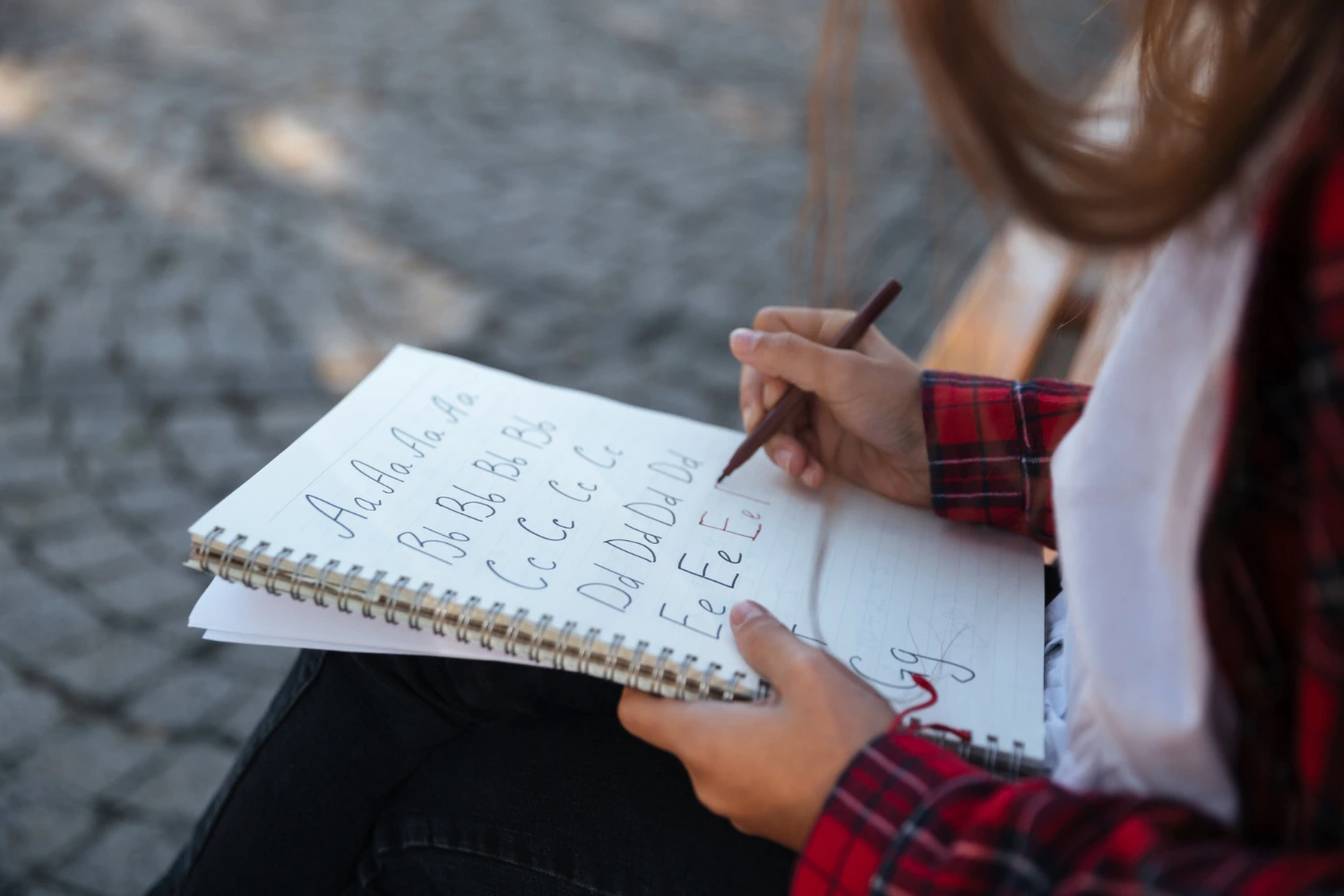
Traditional spelling worksheets have long been a go-to tool for teachers and parents. But for many students, they can become monotonous, leading to surface-level memorization without real retention.
What’s more effective?
Turning spelling into an engaging experience!
Below are spelling homework ideas that promote both creativity and consistency – perfect for students, caregivers, and educators seeking variety without sacrificing academic value.
Why Spelling Practice Needs to Be Fun
Repetition alone doesn’t guarantee mastery. Students often memorize words just long enough to pass the test, only to forget them later. That’s why spelling activities need to go beyond worksheets – they should engage multiple senses, spark joy, and help students apply words in real contexts.
When spelling feels like a game or a challenge, students become eager participants in their own learning. Let’s find out how.
1. Spelling Word Comics
Students can transform spelling lists into short comic strips. Each frame uses one spelling word and includes dialogue or narration. This taps into both linguistic and visual intelligence, allowing children to express meaning and usage. Plus, drawing adds an artistic layer that makes the task more memorable!
2. Rainbow Word Writing
Using colored pencils or markers, students write each spelling word multiple times in rainbow order. They begin with red, then layer orange, yellow, green, blue, and purple. This colorful repetition supports visual memory and helps differentiate similar-looking words.
3. Spelling Word Charades
A class or small group can turn their spelling lists into a guessing game. One student acts out a word while others guess and spell it aloud. This is especially effective when spelling words overlap with vocabulary – it strengthens both skills in one playful activity.
4. Outdoor Chalk Spelling
On sunny days, take spelling outside! Students write each word using sidewalk chalk, then walk around reading their classmates’ contributions. This movement-based practice reinforces spelling through physical engagement and peer sharing.
5. Hidden Words Art
Students draw a picture and creatively hide their spelling words inside it. For example, they might draw a tree and use branches or leaves as letter strokes. This quiet but engaging activity blends word practice with art – a relaxing homework idea that builds visual retention.
6. Category Sorting Challenges
Spelling words can be grouped by patterns, syllables, or parts of speech. Ask students to sort their words into categories, then explain their reasoning. Sorting words into groups supports pattern recognition – essential for long-term retention and grammar development.
7. Secret Code Spelling
Assign each letter of the alphabet a symbol or number. Students translate each spelling word into a secret code using the key. Decoding and recoding activate logic and recall – an entertaining way to disguise repetition.
8. Creative Story Building
Students write a short story that uses every word from the spelling list. The challenge? The story must make sense and flow naturally. This encourages students to focus on context, sentence structure, and meaning – which deepens their understanding of word usage.
9. Air Spelling and Mirror Writing
Kinesthetic learners benefit from physical activity while practicing spelling. Students can air-write their spelling words using large arm motions or write them backward using mirrors. This taps into movement and novelty, making words stick in long-term memory.
10. Buddy Word Tests
Pair students up to quiz each other on their spelling words. One student says a word aloud, while the other writes it. They then swap roles. This promotes collaboration and verbal processing – a powerful way to reinforce spelling.
11. Spell and Sculpt
Using clay or playdough, students sculpt each letter of their spelling words. This tactile approach helps students remember how words are formed while adding a hands-on, calming element to their homework routine.
12. Word Pyramids
Students write each word in the shape of a pyramid. For example, “fun” becomes:
f
fu
fun
This shapes-based repetition helps students visualize word structure while keeping the activity dynamic.
13. Picture Dictionary Creation
Have students make their own illustrated dictionary. Each page includes a spelling word, a definition, a sentence, and a picture. This cross-curricular approach builds writing, comprehension, and visual literacy all in one project.
14. Type It Out
Typing out spelling words on a computer or tablet using fun fonts and sizes offers both handwriting variety and keyboarding practice. Students can even color-code parts of speech or syllables using text formatting options!
15. Magnetic Word Practice
With a magnetic whiteboard or refrigerator magnets, students can practice building their spelling words. This alternative to pencil-and-paper practice is ideal for kinesthetic learners who benefit from moving and rearranging letters.
16. Roll and Spell
Create a dice game where each number corresponds to a different activity. For example:
- 1: Write the word three times
- 2: Say the word aloud
- 3: Spell it backward
- 4: Use it in a sentence
- 5: Draw a picture
- 6: Create a rhyming word
Students roll and perform the task for each spelling word, combining randomness and repetition in a fun routine.
17. Spelling Scavenger Hunt
Turn spelling into an interactive adventure. Students hide cards with their spelling words around the house, classroom, or yard. As they find each card, they read the word, spell it aloud, and use it in a sentence. This full-body learning activity is both memorable and exciting.
18. Spelling Word Freeze Dance
Play music and have students dance around. When the music stops, shout out a spelling word. Students freeze and spell the word aloud or write it on a whiteboard. This integrates movement, auditory learning, and quick thinking.
19. Word Snap Game
Using index cards, students create a set of flashcards with each spelling word. They partner up and play “Snap” – flipping cards and spelling the word aloud when it matches. This builds speed and repetition in a game-like format.
20. Spelling Karaoke
Put on a simple instrumental song and encourage students to sing their spelling words to the tune. Rhythmic memory helps retain letter order and reinforces word sounds. This is particularly useful for auditory learners who remember better through songs!
21. Color Code Word Parts
Have students write each spelling word and highlight root words, prefixes, or suffixes in different colors. This builds vocabulary awareness while also helping them focus on how words are constructed.
22. Sticky Note Wall
Give students a stack of sticky notes and have them write one spelling word per note. They then stick them on a wall, desk, or notebook in alphabetical order or sorted by syllables. This makes spelling active and easy to visualize.
23. Crossword Puzzle Challenge
Students create their own crossword puzzle using their spelling words. They write clues for each word, then challenge a friend or sibling to solve it. Making the puzzle reinforces spelling, and solving it adds fun repetition.
24. Draw and Guess Game
In small groups or with a parent, one person draws a picture representing a spelling word while others try to guess the word and spell it. This builds visual memory and helps relate spelling to meaning.
25. Sentence Relay
Students pass around a notebook, each adding a sentence that uses a new spelling word. The twist? Each sentence must build on the previous one, forming a quirky class story! This group-based approach encourages teamwork and deepens word usage skills.
Why These Spelling Homework Ideas Work
These creative activities go far beyond routine worksheets. They stimulate different learning styles – visual, auditory, kinesthetic – and encourage genuine interaction with spelling words. Students aren’t just memorizing; they’re drawing, acting, singing, building, and categorizing. These experiences help them forge stronger neural pathways, increasing the odds that correct spellings will stick.
Each idea allows flexibility for use in class, at home, or during after-school programs. Teachers can easily adapt these into stations or rotating weekly activities. Parents can support learning without turning spelling into a chore.
A few fun ways to do spelling words might include sculpting, acting out, drawing, or turning the word list into a game. Activities like these make students look forward to spelling rather than dreading it.
Choosing the Best Activities for Different Learners
Every student learns differently. One child may thrive when drawing or sculpting words, while another may prefer writing or acting them out. Consider mixing and matching activities from this list to suit your students’ learning preferences. Here’s how different types of learners benefit:
- Visual learners: Comic strips, rainbow writing, and color-coded word breakdowns
- Auditory learners: Spelling karaoke, freeze dance spelling, word songs
- Kinesthetic learners: Air spelling, sidewalk chalk, magnetic letters
- Social learners: Charades, sentence relays, partner spelling tests
- Logical learners: Category sorts, crossword puzzles, secret codes
The more variation provided, the more likely students are to stay engaged and remember what they’ve learned.
While fun spelling worksheets have their place, real retention comes from thinking critically about how words are built, used, and remembered. These methods allow students to engage with words on multiple levels.
Making Spelling Stick: Key Takeaways
Effective spelling homework should be more than memorization. It should foster connections between how words sound, look, and function in context. That’s why playful, creative spelling homework ideas outperform repetitive worksheets in building long-term spelling success.
To help learners stay engaged:
- Incorporate movement, games, or drawing
- Reinforce spelling through sentence creation and storytelling
- Include peer interaction where possible
- Offer student choice to build ownership over learning
- Focus on deeper understanding, not just test-day performance
Final Thoughts: The Core Methods
If you’re searching for the best way to practice spelling words, variety and engagement are key. Rather than sticking to one routine, rotate through different activities based on your learner’s mood, energy, and progress.
No matter what age or ability level, spelling can be exciting with the right approach!
Through creative practice and consistent support, students will move beyond memorization and into lasting literacy skills.